
Jackpot Jill Payment Methods in Australia
 Available in US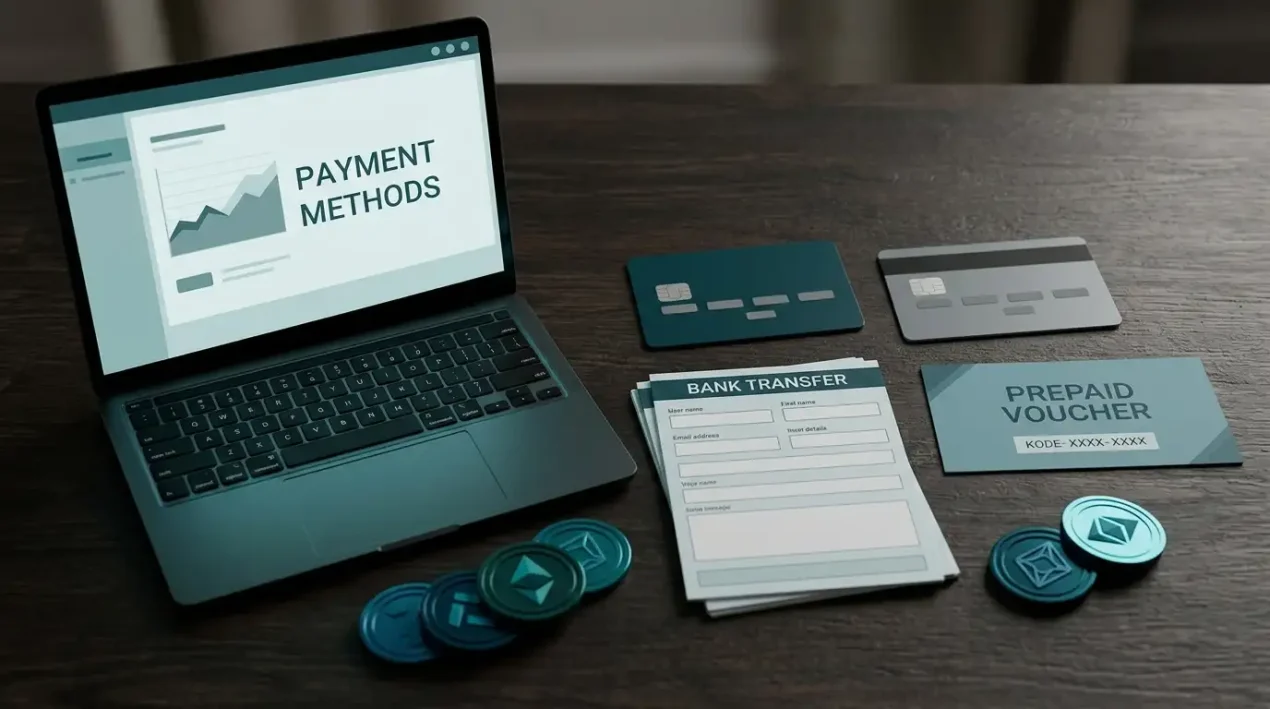
Contents
Jackpot Jill combines traditional payment rails with cryptocurrency. The listed fiat options are Visa, Mastercard, Neosurf and bank transfer, while the crypto list includes Bitcoin, Litecoin, Ethereum, Dogecoin and Bitcoin Cash. The stated site minimum is $10 for deposits, the stated withdrawal minimum is $20, bank transfer carries a $50 withdrawal minimum, and the listed withdrawal cap is AUD 10,000 per week. Those figures shape how small deposits, larger cash-outs and crypto transfers need to be planned.
Deposits start at $10 across a mixed fiat and crypto setup
The $10 minimum is the first practical threshold. It is a site-level figure rather than a method-by-method tariff, so the payment dialog remains the place to check what a specific rail accepts at the moment of use. Jackpot Jill lists EUR, CAD, AUD and NZD among its account currencies, which also means the currency shown in the cashier matters when comparing a dollar-denominated minimum with the amount leaving a bank account or wallet.
For fiat deposits, the available list covers two mainstream card brands, Neosurf and bank transfer. Each rail behaves differently outside the casino itself. Cards normally depend on issuer approval and merchant acceptance, prepaid voucher balances are limited by the value loaded to the voucher, and bank transfers depend on banking cut-off and settlement processes. Those are general payment-mechanism differences, not Jackpot Jill processing-time promises.
For crypto, the operational risk shifts. Bitcoin, Litecoin, Ethereum, Dogecoin and Bitcoin Cash are listed, but the network must be matched correctly in the payment dialog before a transfer is sent. A crypto ticker identifies an asset, not automatically the exact deposit route or address format. Copying the destination address carefully and checking the selected asset before sending is more important than transfer speed because blockchain transfers can be irreversible.
Crypto payment table
| Coin | Network | Min Dep | Min WD | Speed | Fee |
|---|---|---|---|---|---|
| Bitcoin (BTC) | Check in payment dialog | $10 site minimum | $20 site minimum | — | No casino deposit fee |
| Litecoin (LTC) | Check in payment dialog | $10 site minimum | $20 site minimum | — | No casino deposit fee |
| Ethereum (ETH) | Check in payment dialog | $10 site minimum | $20 site minimum | — | No casino deposit fee |
| Dogecoin (DOGE) | Check in payment dialog | $10 site minimum | $20 site minimum | — | No casino deposit fee |
| Bitcoin Cash (BCH) | Check in payment dialog | $10 site minimum | $20 site minimum | — | No casino deposit fee |
The repeated minimums in the table are site-wide thresholds, not coin-specific limits. A cashier can impose method-specific parameters around a transaction, so the live payment screen should be read before money is sent. Jackpot Jill states that it does not charge a deposit fee. That does not remove costs imposed elsewhere: a bank, card issuer, voucher provider or blockchain network can have its own charges.
Fiat options sit beside the crypto table
- Visa and Mastercard provide card-based funding routes.
- Neosurf adds a prepaid-style option that separates the casino transaction from a bank card at the point of payment.
- Bank transfer is listed for fiat movement and has a $50 minimum withdrawal.
- EUR, CAD, AUD and NZD are the currencies listed by Jackpot Jill for accounts.
When choosing between these routes, compare the denomination, the minimum that applies to the transaction and the recovery characteristics of the payment rail. Card and bank payments can have provider-side dispute processes; crypto transfers generally rely on the correctness of the address and asset selected before broadcast.
Withdrawal planning changes at $20, $50 and AUD 10,000
The general withdrawal minimum is $20, while bank transfer has a $50 minimum. That difference is small in absolute terms but important for low balances. A balance between $20 and $49 can clear the general threshold while still sitting below the bank-transfer minimum. A reader who wants to use bank transfer therefore needs to compare the requested amount with the $50 floor before treating that rail as suitable.
The larger constraint is the AUD 10,000 weekly withdrawal cap. This is a ceiling on how much can be withdrawn within a week, not a statement about how quickly a withdrawal is processed. For example, an AUD 12,000 balance is larger than one weekly allowance, so the amount cannot fit under a single AUD 10,000 weekly cap. An AUD 25,000 balance spans at least three weekly-cap portions if the full amount is to be withdrawn under that ceiling. Those are simple limit calculations, not payout-time forecasts.
| Scenario | Relevant threshold | Practical effect |
|---|---|---|
| $15 withdrawal | $20 general minimum | Below the stated general withdrawal minimum |
| $35 by bank transfer | $50 bank-transfer minimum | Below the stated bank-transfer minimum |
| AUD 8,000 withdrawal | AUD 10,000 weekly cap | Fits inside one weekly cap |
| AUD 12,000 withdrawal | AUD 10,000 weekly cap | Exceeds one weekly cap by AUD 2,000 |
Large withdrawals can also bring account checks into the foreground. Jackpot Jill can request government ID, proof of address no older than three months and registered-card copies where applicable. Keeping those documents current reduces the chance that an avoidable paperwork issue becomes mixed into a payment request. The account verification and support guide explains the document list and support routes in more detail.
Payment planning is easiest when three figures are separated: the minimum needed to initiate a withdrawal, any method-specific minimum, and the weekly ceiling. Treating them as separate controls avoids a common mistake where a transaction clears one threshold but fails another.
Crypto transfers put address and asset checks ahead of convenience
Crypto removes some of the steps found in card and bank payments, but it also shifts responsibility toward the sender. Once a blockchain transaction is broadcast, reversal may be impossible. A wrong address, wrong asset or incompatible route can therefore create a problem before the casino even has an opportunity to credit the account.
A safe transaction routine is mechanical:
- Select the exact asset in the Jackpot Jill payment dialog.
- Copy the displayed destination address rather than typing it manually.
- Compare the beginning and end of the pasted address with the source before sending.
- Check the asset and route shown by the sending wallet.
- Keep the transaction hash after broadcast so the transfer can be traced on the relevant blockchain.
The brand’s listed crypto set covers five assets, but a coin name alone does not supply every network detail. The payment dialog should control the route used for the actual transfer. This is especially relevant for assets that can exist across multiple technical environments, because a wallet may support more than one route even when a casino deposit address supports only one.
Price movement creates a second layer of risk. A crypto balance can change in fiat value between deposit and withdrawal even if the number of coins is unchanged. That exposure belongs to the asset itself rather than to a casino fee schedule. Readers who prefer a fixed account denomination can compare that risk with the listed fiat routes before deciding how to move money.
The fee picture is simple at the casino and broader outside it
Jackpot Jill states that it does not charge a deposit fee. That is useful, but it is only one layer of the total transaction cost. A card issuer may apply its own treatment, a bank can charge transfer fees, a prepaid provider can price voucher loading or redemption into its service, and a blockchain transaction can carry a network fee. None of those external charges should be mistaken for a Jackpot Jill fee.
The best comparison is therefore end-to-end. Start with the amount leaving the payment source, compare it with the amount credited to the casino balance, then account for any separate provider or network charge. On withdrawal, compare the requested amount with the applicable minimum and the AUD 10,000 weekly cap before considering the external rail.
Three numbers deserve separate attention
- $10 is the stated minimum deposit.
- $20 is the stated general withdrawal minimum, with $50 for bank transfer.
- AUD 10,000 is the listed weekly withdrawal cap.
These values answer different questions. The deposit minimum sets the entry threshold for a funding transaction. The withdrawal minimum determines when a cash-out request is large enough to be submitted. The weekly cap limits aggregate withdrawal volume over a week. Keeping those roles distinct makes the cashier easier to read and reduces the chance of applying one number to the wrong transaction.
Payments also interact with game budgeting. A low deposit minimum does not make a session low-risk by itself; repeated deposits can still produce substantial total exposure. The games and live casino guide explains how category choice, volatility and demo play fit into session planning without turning the payment minimum into a spending target.
Questions about Jackpot Jill payments
Which payment methods does Jackpot Jill list?
Visa, Mastercard, Neosurf and bank transfer are listed for fiat payments. Bitcoin, Litecoin, Ethereum, Dogecoin and Bitcoin Cash are listed for crypto.
What is the minimum deposit at Jackpot Jill?
The stated minimum deposit is $10.
What is the minimum withdrawal at Jackpot Jill?
The stated minimum withdrawal is $20, while bank transfer has a $50 minimum.
What is the weekly withdrawal cap at Jackpot Jill?
The listed withdrawal cap is AUD 10,000 per week.
Jackpot Jill payments are easiest to read as a set of thresholds
Jackpot Jill offers a genuinely mixed payment setup: cards, Neosurf and bank transfer sit beside five listed cryptocurrencies. The useful way to read that setup is through the thresholds attached to money movement. Deposits start at $10, withdrawals start at $20, bank transfer has a $50 withdrawal floor, and the weekly withdrawal ceiling is AUD 10,000. Crypto adds address, route, volatility and irreversibility risk; fiat rails add their own bank, card or provider rules. Keeping those layers separate gives a clearer picture of what each transaction can involve.
This material was created by the Jackpot Jill Guide team.
Related posts

Jackpot Jill Responsible Gambling and Account Limits
Jackpot Jill Licence in Australia